
Exhibition “Langsdorff: The River Expedition 200 Years Later”
The technological leap of the European and American industrial revolutions two or three centuries ago marked a turning point in natural history. Quantitative changes in the way goods were produced and consumed resulted in another way of life on Earth, qualitatively different from anything previously known. The acceleration of production, combined with a constant attempt to subjugate natural cycles, caused an unprecedented disruption in the Earth’s biosphere. For the first time in history, a single species developed the capacity to act as a radiative forcing, transforming the Earth System on a timescale without precedent.
In this sense, curator of the exhibition “Langsdorff: The River Expedition 200 Years Later,” Francis Malvin Lee, emphasizes that two centuries represent only a microsecond in the history of the human species, yet it has been enough time to significantly alter the planet. With the aim of reflecting on the environmental and civilizational impasses that define the 21st century based on works resulting from one of the most important scientific journeys of the 19th century, the Langsdorff Expedition, the exhibition brings together more than a hundred works. These include images, travel accounts, publications, and documents from the period, as well as contemporary productions created in the same regions crossed by the expedition two hundred years ago.
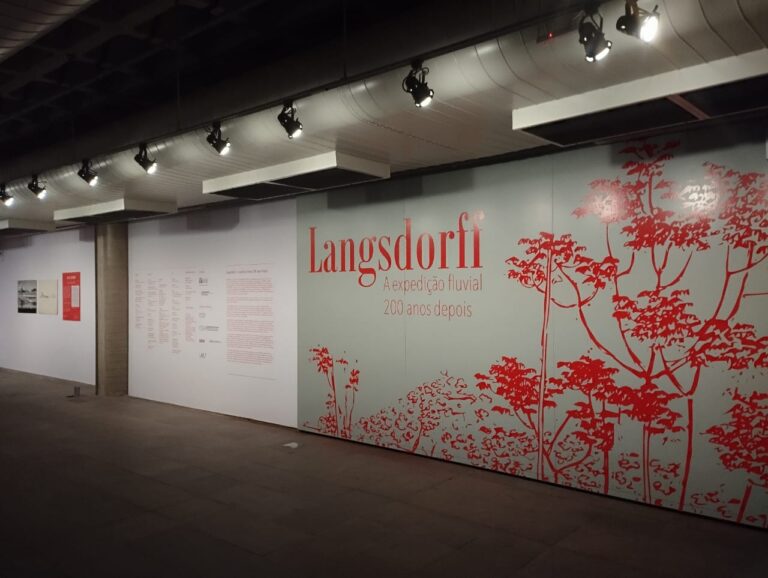
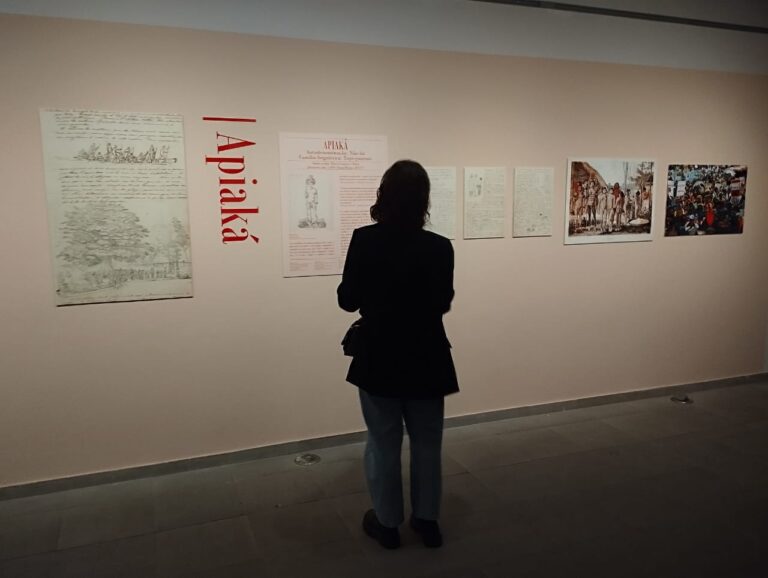
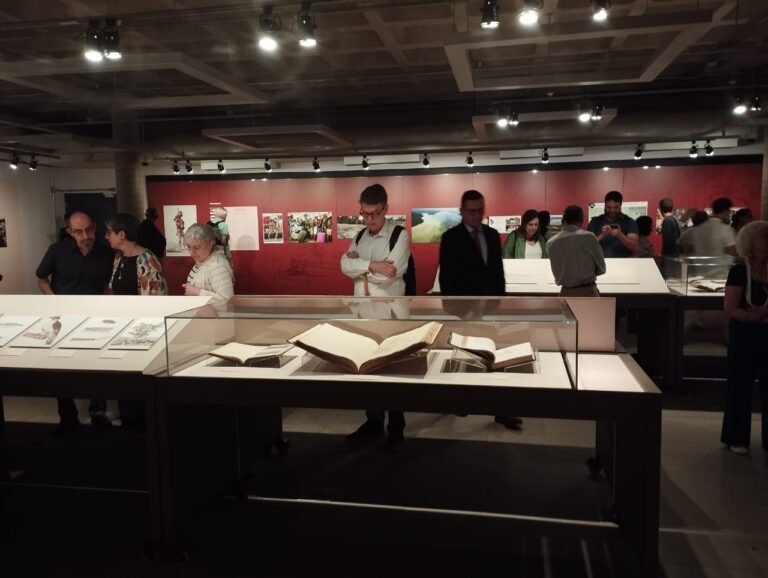
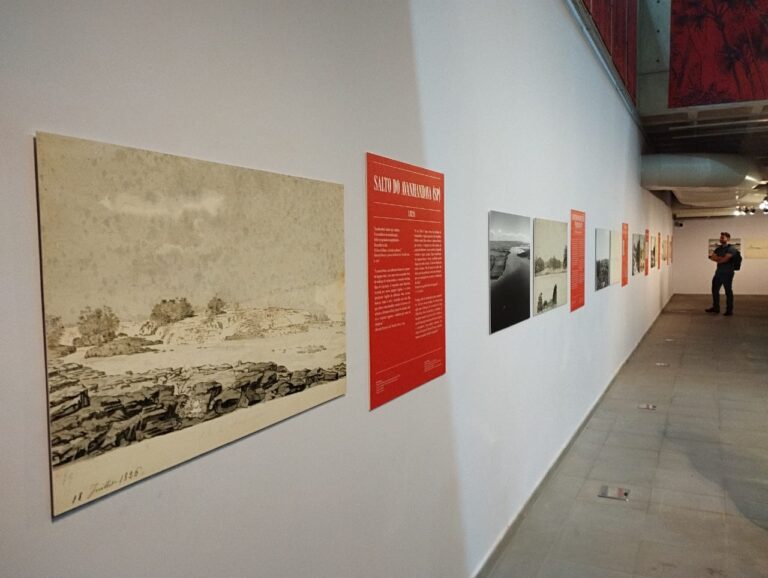
Organized by the Hercule Florence Institute (IHF), in partnership with Documenta Pantanal, Instituto Moreira Salles (IMS), and the MariAntonia Center of USP, at the Brasiliana Guita and José Mindlin Library (BBM-USP), the exhibition is divided into two spaces. The first features historical documents, herbarium specimens, drawings, and reports produced during the Langsdorff Expedition, in which Hercule Florence played a key role as a draftsman. Due to health issues affecting other members, he preserved the entire documentation of the arduous journey from Porto Feliz (São Paulo) to Belém (Pará) between 1826 and 1829.
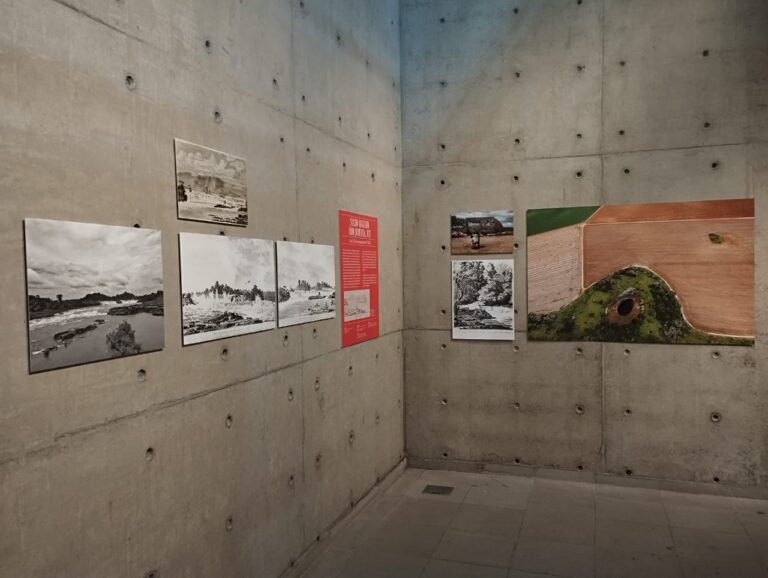
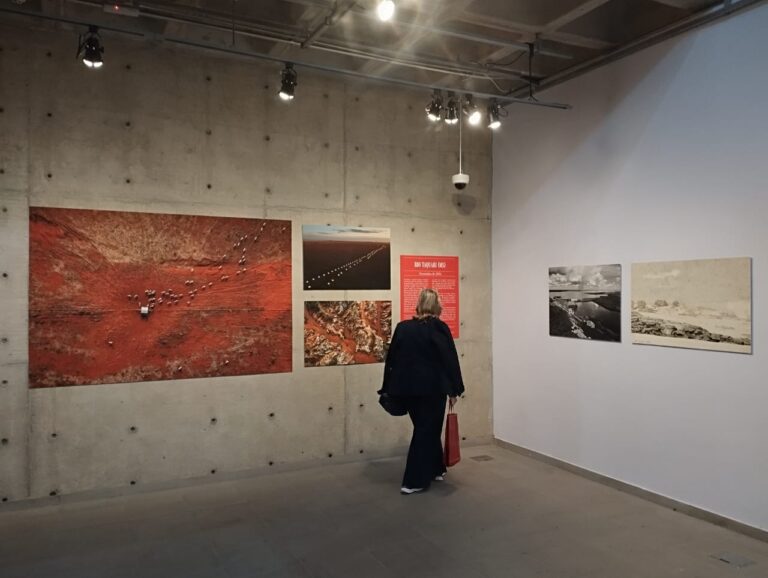
The second room is dedicated to the contrast between the not-so-distant past of the expedition and the present. Here, photographs by Lalo de Almeida, Miguel Chikaoka, Paula Sampaio, and those from my series “Florence’s Brazil” update and challenge the landscapes documented by Hercule during the Langsdorff Expedition, revealing “profound transformations marked by economic extractivism, social conflicts, and environmental crisis.”
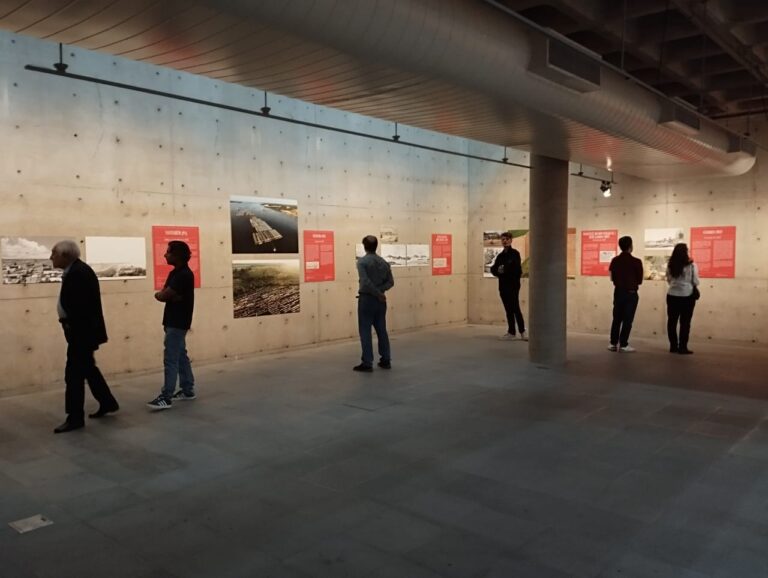
Through these photographs, it becomes evident that the rivers Florence drew 200 years ago are no longer the same, due to pollution and the numerous dams that have flooded vast areas of land and erased waterfalls from the map. The Indigenous peoples he encountered now see their territories threatened by illegal mining, pyromaniac agribusiness, its ruralist political lobby, and climate change caused by an economic system foreign to their way of life. The landscapes drawn by Hercule have been heavily urbanized, and what appears unchanged is not entirely free from destruction, as in the case of Salto Augusto, on the Juruena River, where the construction of a hydroelectric plant has already been considered.
Antonio Florence, great-great-grandson of Hercule Florence, also highlights how, in such a short time, the ecosystems his ancestor knew have been profoundly altered. “The 19th century built the world we live in today, including the model of exploitation that led to the devastation we now see. Revisiting this journey is a way of understanding how we got here and of questioning the future we are building.” For the IHF, “looking back here is not about nostalgia. It is a way of understanding the present more precisely and deciding, from that point, what can still be preserved.”
Running until June 26, the exhibition also includes a film program, debates, and launches of previously unpublished books by the IHF. All these initiatives, together with the photographs that expose the scale and pace of Earth’s destruction, aim to confront this environmental issue head-on. By using traces of the past, the exhibition encourages reflection on the future, within the narrow window of opportunity that still exists to curb the role of contemporary ways of life as a potential catalyst for a planetary-scale environmental catastrophe.
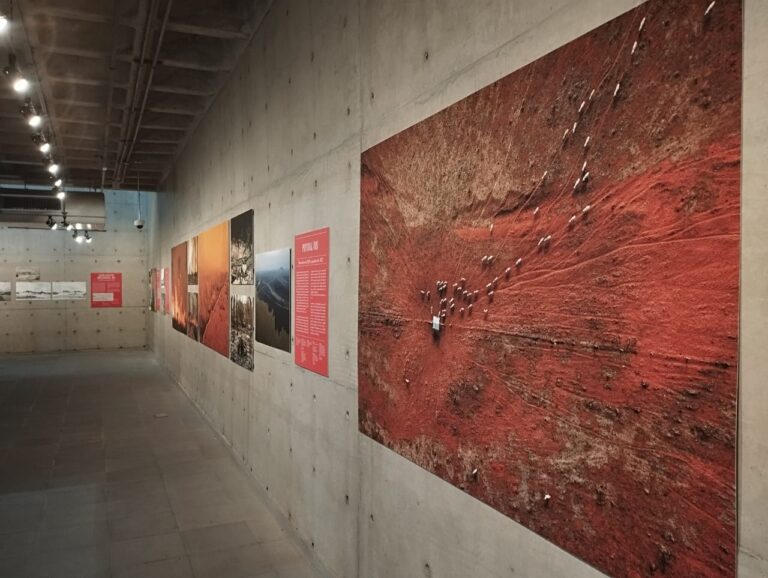
The exhibition is open Monday to Friday, from 8:30 a.m. to 8:30 p.m., and Saturday from 9:00 a.m. to 1:00 p.m., at the Brasiliana Guita and José Mindlin Library (Rua da Biblioteca, 21, São Paulo), with free admission. Follow the program through the IHF page.