
Exhibition: Astronomy Photographer of the Year
Among the many different “Photography of the Year” competitions, one of my favorites is the ZWO Astronomy Photographer of the Year, organized by the National Maritime Museum in London, England, and sponsored by a manufacturer of astrophotography equipment. I’m not familiar with the company itself, but year after year I eagerly await the results of the competition that bears its name.
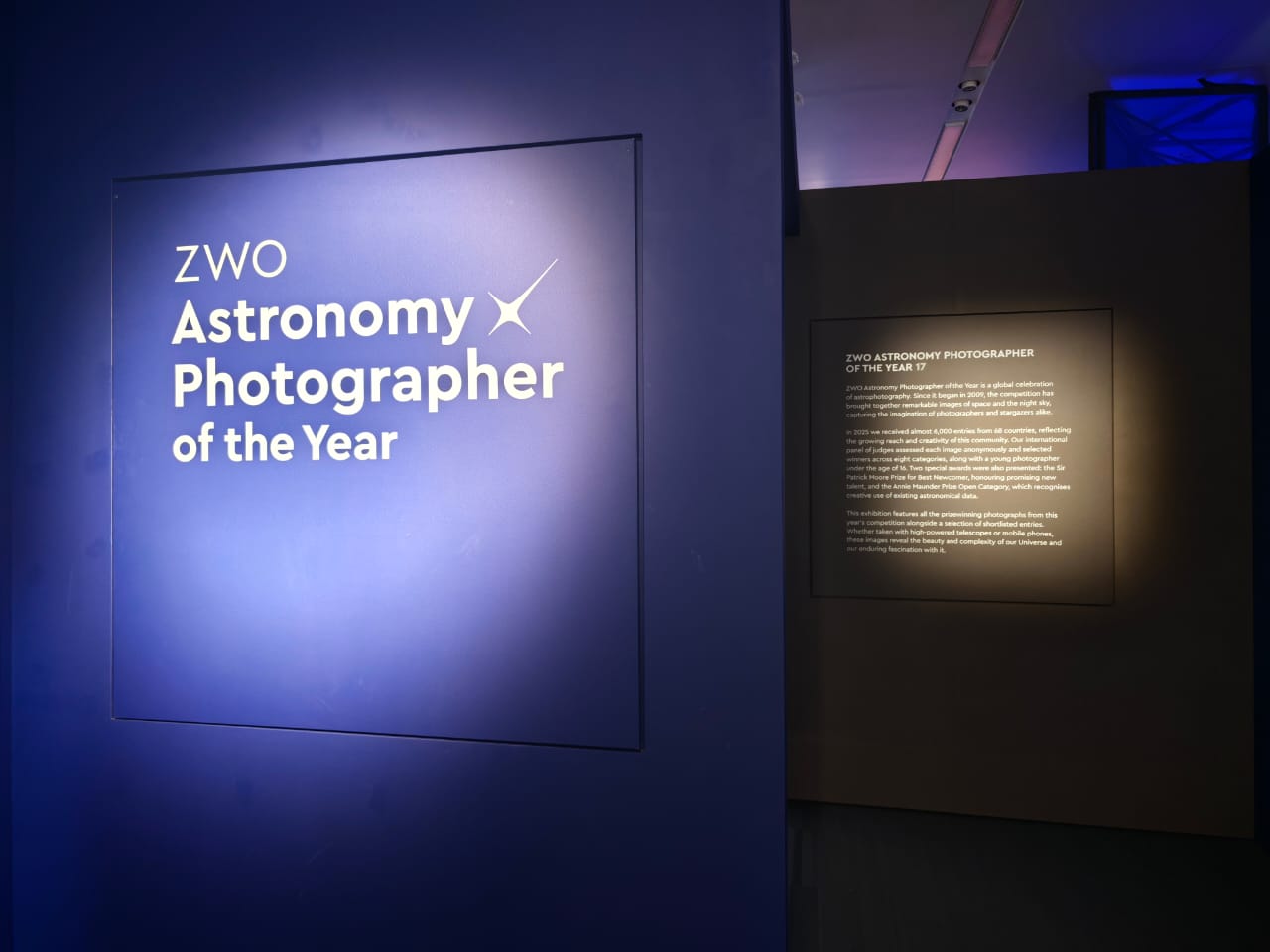
My enthusiasm is, of course, driven by the subject matter and the competition’s categories. I have a deep passion for astrophotography, and every edition is something I look forward to. What makes astronomical photography so extraordinary to me is that it reveals what our eyes cannot naturally perceive, like planetary motion, the interaction of light with Earth’s atmosphere, or distant objects, such as nebulae, galaxies, and sunspots, that we can only glimpse without detail. Yet simply showing what lies beyond the limits of human vision is not enough. In this competition, the photographs also present different aspects of the Earth System and the Universe with an artistic sensibility that goes far beyond the traditional language of textbooks and scientific papers.
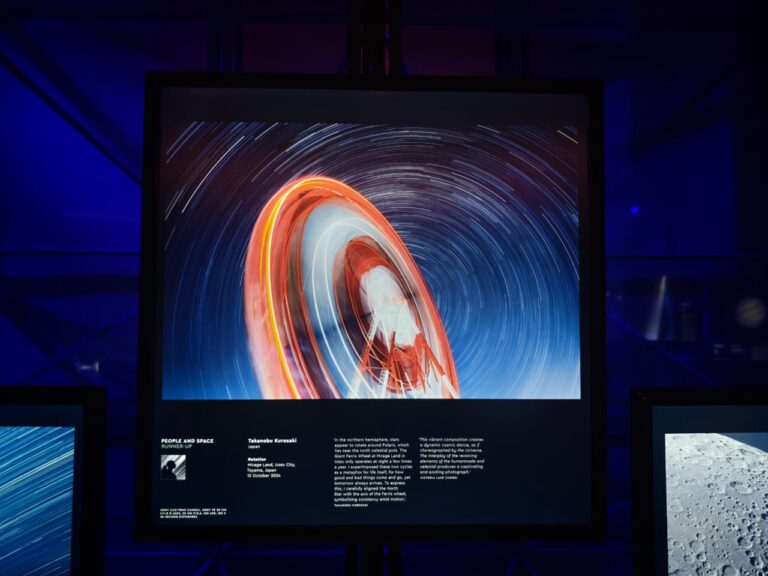
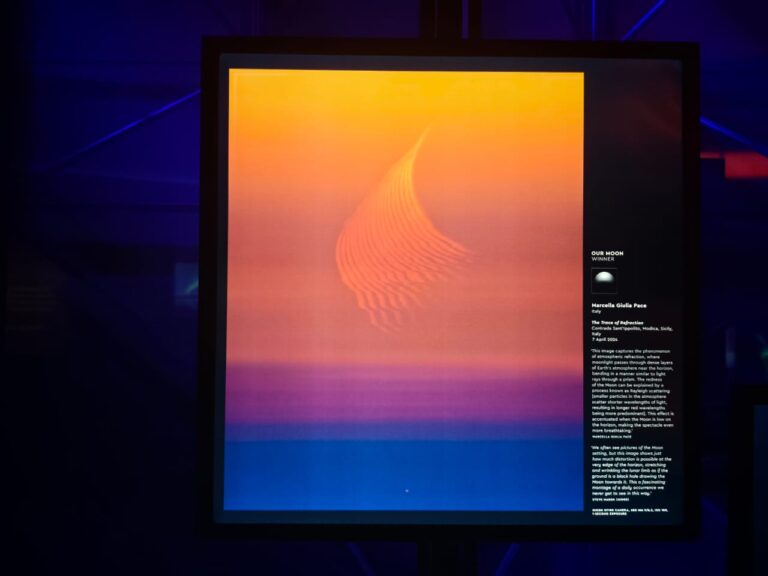
Another reason I enjoy this competition so much is the freshness of its winning photographs. Entries must have been created after January 1 of the previous year, which means every edition showcases remarkably recent and often unpublished work, pushing the boundaries of astrophotography and landscape photography alike.
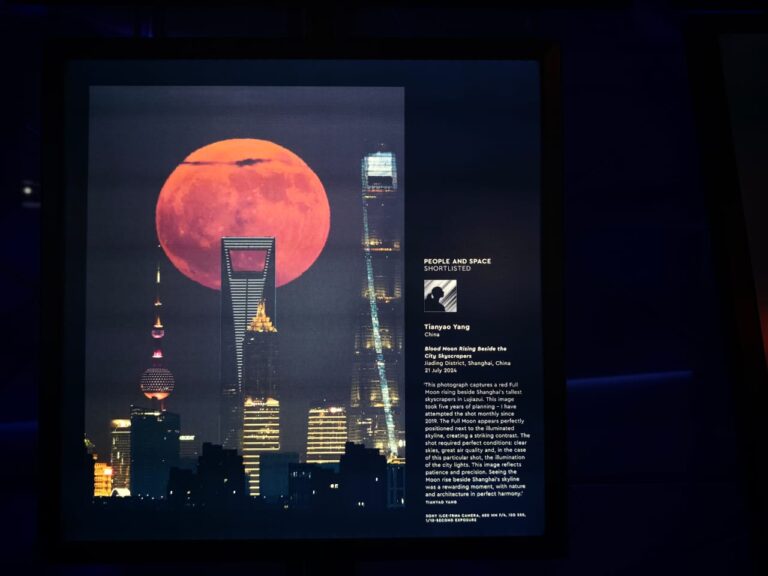
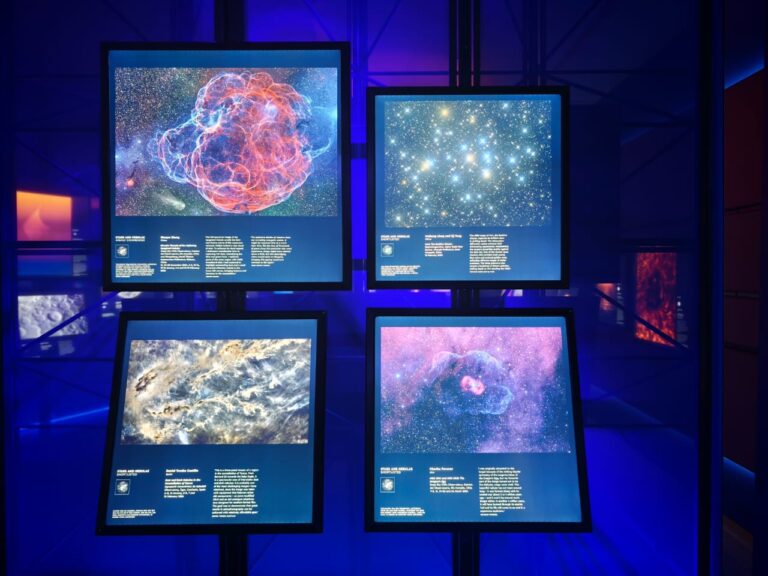
Now I have one more reason to admire the competition: the exhibition itself. The display of the winning and finalist photographs is exceptionally well crafted, making it clear that the museum treats the competition as an important part of its programming. Designing an engaging exhibition with around one hundred photographs covering such diverse subjects and color palettes is no easy task, yet, at least in the edition I visited, everything felt cohesive and thoughtfully arranged. It may sound obvious, but some “photography of the year” competition exhibitions give the impression of having been assembled merely because they had to be. That was certainly not the case here.
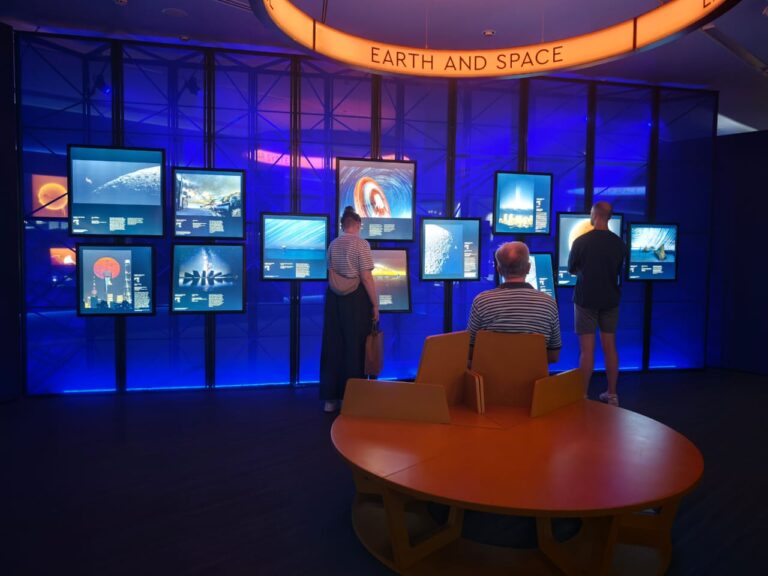
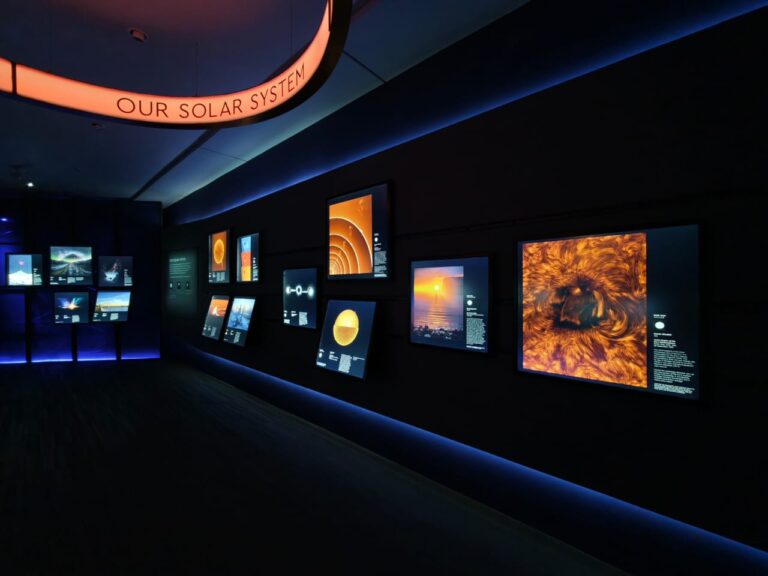
Although the exhibition occupies a relatively small area within the museum, it is divided into rooms corresponding to the competition’s different categories, each featuring the winning and finalist images. There is also a large screen showing beautifully produced short documentaries about the award-winning photographs and the artistic motivations behind them. Producing these films with photographers from around the world is, to me, further evidence of the importance the museum places on the competition.
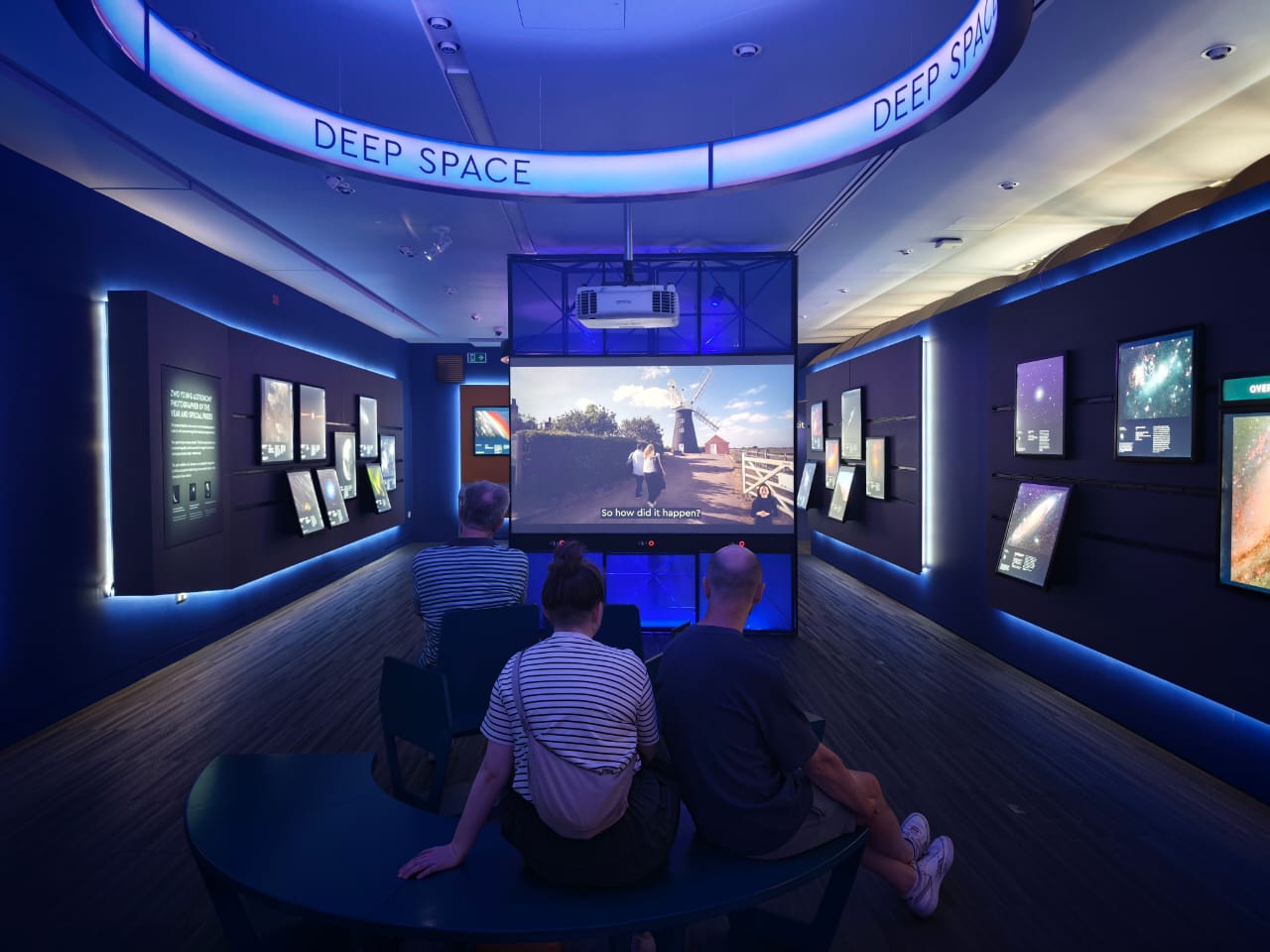
The real beneficiaries of this thoughtful presentation are the (unfortunately very few) people who have the chance to experience the exhibition in person. It is a real shame that it is shown only at this museum rather than touring internationally, as many other “Photography of the Year” exhibitions do (including some that seem to travel simply out of obligation).
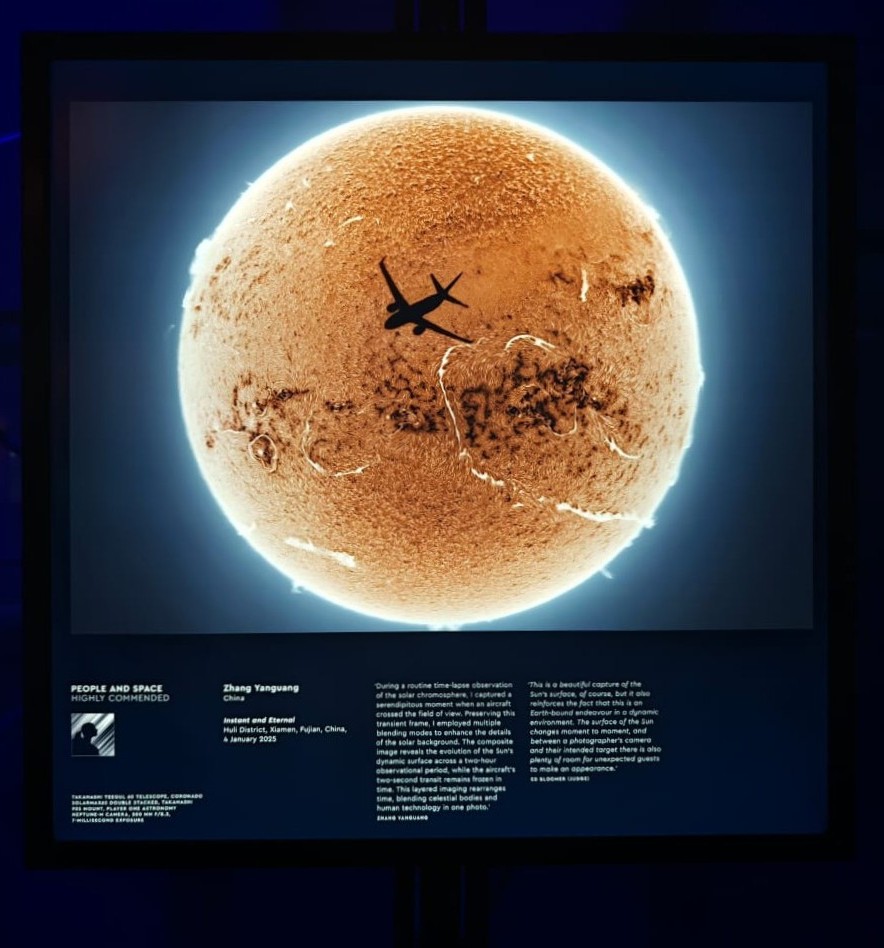
Finally, there is one more, rather anecdotal, reason why this exhibition became so memorable for me. I almost became one of the countless people in the world who would never have the opportunity to see it, but chance had other plans. I had a weekend layover in London on my way back from China, where I had attended a conference on tropical biology and conservation.
Because of London’s notoriously high accommodation prices, I was staying well outside the city center. On a sunny Sunday during one of the four heatwaves that swept through London between June and July 2026, I set out on foot in search of a laundromat. The first one I found accepted cash only, so I continued to the next, which turned out to be closed. The third option on my map no longer existed and happened to be in Greenwich, quite far from where I was staying. Since I was already close to the famous meridian, I decided to walk a little farther and explore the neighborhood. That was when I unexpectedly arrived at the museum.
I had no idea the exhibition was on, and it would not remain open for much longer. Sweaty, tired from the long journey and the walk in the summer heat, I didn’t hesitate. Carrying nothing more than a small bag of dirty laundry, I stumbled upon the perfect way to spend what had seemed destined to be an uneventful Sunday. To make the story even better, on my way back to my accommodation I found an open laundromat that wasn’t even listed on the map app.
I don’t expect lightning to strike twice and give me another chance to visit future editions of the exhibition in London. Instead, I can only hope and suggest that the National Maritime Museum partners with institutions outside England so that more people can experience these remarkable winning and finalist photographs. An annual exhibition of this caliber has the power to inspire more people to observe, appreciate, and study the night sky. That is essential for strengthening struggles to protect dark skies from light pollution, an issue that affects the entire Earth System, beginning with its own biosphere.