
Photo of the Month (December 2025 edition): Beautiful from afar
Last month, the official results on vegetation loss in the Cerrado and the Amazon were released by the National Institute for Space Research (INPE). Following a year-by-year slowdown, the results look beautiful from afar, but are far from beautiful when examined closely.
Reductions of 11.08% and 11.49% were recorded in the area converted to anthropogenic uses in the Amazon and the Cerrado, respectively, from July 2024 to July 2025, compared with the previous equivalent period. At first glance, there is something to celebrate, as these were among the lowest annual rates in the entire historical series analyzed— the second lowest for the Cerrado (since 2002) and the third lowest for the Amazon (since 1988).
But the raw data leave no doubt: 5,796 km² were deforested in the Amazon while 7,235 km² of Cerrado were lost. When added to the area already converted, this represents an immense swath of devastated biodiversity. Especially in the Cerrado, much of the vegetation removed between 2024 and 2025 was in the state of Maranhão, where the most important remaining continuous tracts of relatively well-preserved Cerrado are still found.
It is necessary to recognize the government’s effort to reduce illegal deforestation in the Amazon, which accounted for 90% of the area mapped by INPE. But conditioning the conversion of the most biodiverse ecosystems in the world on a legal question is irrational. In the Cerrado alone, 34% of the remaining vegetation can legally be transformed into soy fields and pasture.
Fighting deforestation in the Amazon and the removal of Cerrado vegetation within the bounds of legality will never be enough. More than half of the Cerrado has already been lost, and its recovery is extremely difficult and costly in the short term. Only a policy of zero tolerance toward agricultural expansion can save this eco-climatic system formed by the Amazon–Cerrado complex.
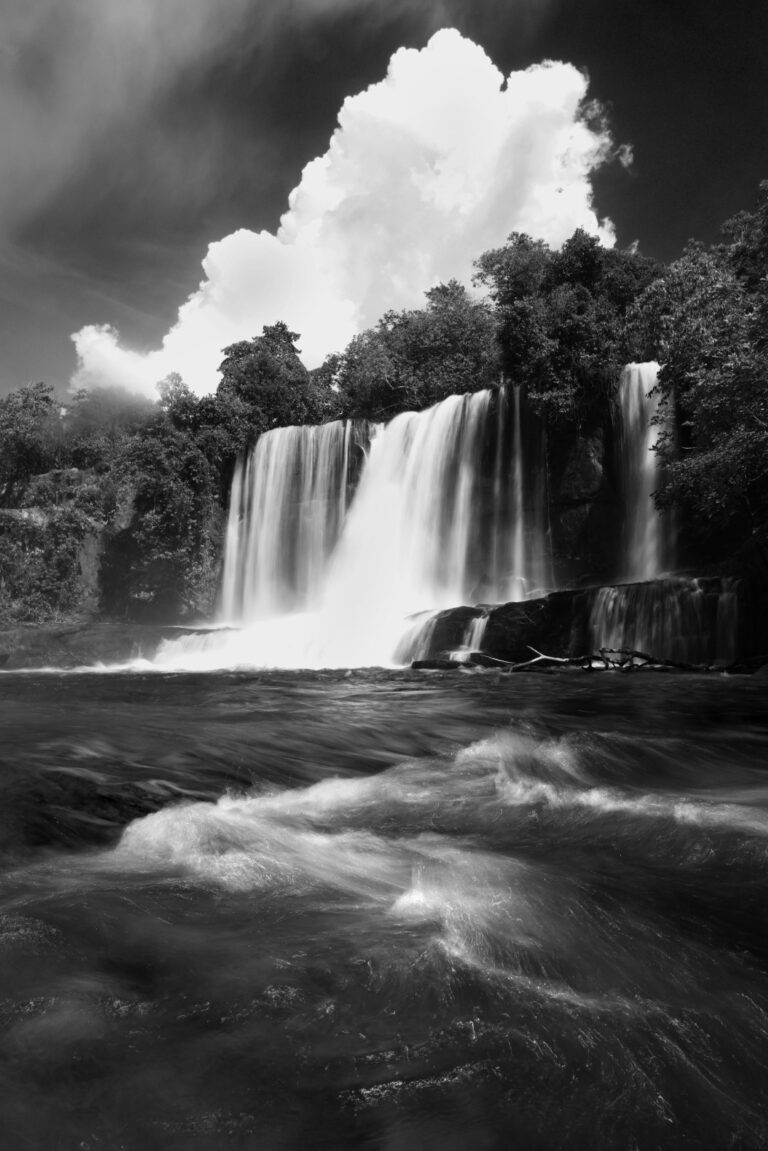
This edition of the photo of the month, taken in a transition region between savanna and forest, does not look at the glass as half full, because even at lower rates, it continues to empty. The “little” that remains is too sensitive to endure further pressure and too beautiful, both from afar and up close. Let us fight so that the data in the coming years reflect this reality.